
Mission Structure and Player Role
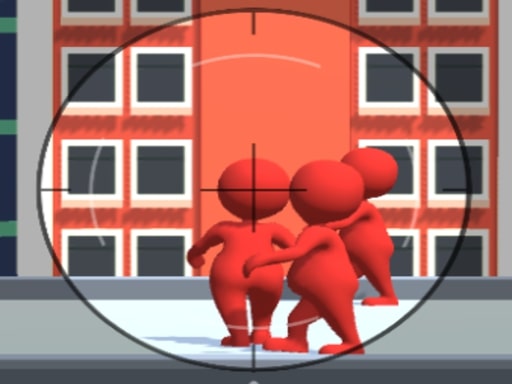
Each mission in Precision Aim Arcade begins with choosing a position. From there, players look through a scope, locate the target, and wait for the right moment to act. The central rule is restraint: an action must not affect anything else in the scene. Settings range from cities to mountains, and every scenario asks players to observe first, then commit. Points and rewards follow successful actions, so the loop is simple to understand but demands calm concentration.
How Difficulty Develops
Early missions introduce the basic rhythm of positioning, scoping, and timing. As players progress, targets begin to move and distances grow longer. These two changes—motion and range—are the main sources of added challenge. Because there is no time pressure, players can take as long as they need to plan. That design keeps the game accessible to beginners while still offering depth for those who want to refine their timing and accuracy.
Controls and Feedback
Simple touch controls handle aiming and timing adjustments. After each attempt, the game provides clear feedback, which helps players learn from mistakes and adjust their strategy. The absence of a countdown means the pace is entirely player-driven. This makes Precision Aim Arcade a good fit for anyone who prefers thoughtful decision-making over reaction-based play.
Equipment and Progression
Rewards earned through successful actions can be used to upgrade equipment, which improves performance on longer-distance and more challenging missions. Upgrades also unlock new areas to explore. The progressive difficulty curve—moving targets, longer distances—works alongside these equipment improvements, so players who invest in better tools are better prepared for what comes next.








Comments
0 comments