
What You Actually Do
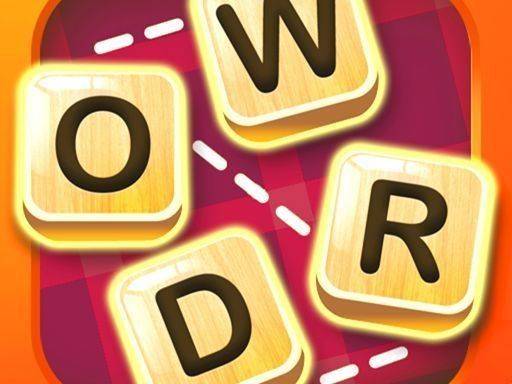
Each round presents a word challenge on screen: rearrange scrambled letters into a valid word, locate words tucked inside a grid, or fill in missing letters to complete a pattern. You type your answer using the on-screen keyboard or your device's physical keyboard. Correct entries earn points and move you forward. The interaction is deliberately minimal, so the thinking stays on the puzzle rather than the controls.
How Hints Change the Experience
Hints are the game's main pressure valve. When a puzzle stalls you, a hint can reveal a letter or offer a clue without handing over the full answer. That design keeps the game approachable for younger players and casual solvers while still letting adults choose how much help they want. Using hints strategically—rather than immediately—turns them into a vocabulary-learning tool instead of a shortcut.
Pacing and Session Length
Puzzles are short enough to fit into a coffee break but substantial enough to hold attention across a longer sitting. Because there is no timer pressure described, players set their own pace. That makes the game a reasonable fit for commutes, classroom downtime, or a quiet evening activity where the goal is mental engagement rather than adrenaline.
Who This Suits
The content is designed to be family-friendly and free of inappropriate material, so it works for kids, teens, and adults without separate modes. Vocabulary expansion happens as a byproduct of solving rather than through explicit lessons. Players who enjoy crosswords, word searches, or anagram apps will find the format familiar, while the hint system lowers the barrier for those who usually avoid word games because they feel too difficult.





Comments
0 comments