
Core Loop: Prepare, Defend, Upgrade
Fortress Defense Strategy builds its challenge around a repeating cycle: assess the coming wave, position your units, then watch the results. Before attackers arrive, you decide where each unit stands along the expected route. The real test is anticipating which unit types will counter the approaching threats. Surviving a wave earns resources, which you spend on new units or upgrades. That feedback loop rewards planning over reflexes, and every successful defense feeds directly into your next set of choices.
Unit Roles and Synergy
Your defensive roster includes several distinct unit types. Some are built to slow fast-moving enemies, while others deal area damage to groups. Neither works as well alone. Pairing a slowing unit with a high-damage one creates a stronger combined effect, and experimenting with different compositions is a central part of play. No single setup solves every situation, so adapting your unit mix matters more than finding one perfect formation.
Levels and Rising Difficulty
The campaign introduces new enemy types and more complex attack patterns gradually. Early levels function as a tutorial, letting you learn unit placement and resource management without pressure. Later stages demand more sophisticated tactics, such as building chokepoints or rotating units to answer specific threats. This ramp keeps the challenge accessible while still giving experienced players room to think harder.
Accessible Presentation and Progression
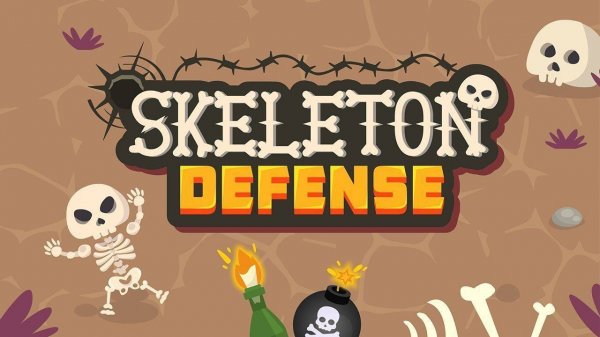
The game uses a bright, colorful art style with friendly character designs and a clean interface. Controls rely on simple drag-and-drop, menus are clearly labeled, and tooltips explain each unit's abilities. It runs smoothly on a wide range of devices, and the family-friendly presentation avoids graphic violence. As you advance, you unlock new units and upgrades that open fresh strategic options. Levels can be replayed for extra resources or to try a different approach, and some offer optional bonus objectives—such as finishing without losing units or using only one unit type—which encourage creative problem-solving.







Comments
0 comments