
Physics-Driven Rotation
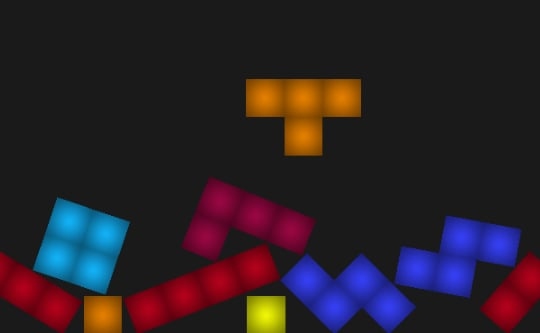
Gravity Block Puzzle changes the familiar block-stacking formula by making rotation gradual and physics-based. Instead of a single key press snapping a shape to a new angle, each rotation unfolds over time, and players may need to press the rotate control multiple times to reach the desired orientation. This means placement is less about quick reflexes and more about anticipating how a shape will settle. Over-rotating or under-rotating can leave awkward gaps, so every move carries a small risk that must be weighed against the shape of the stack.
Clearing Rows and Managing the Stack
The core objective stays true to the genre: complete horizontal rows to clear them and prevent the stack from reaching the top. Because shapes do not lock instantly, the stack can shift or lean in ways that a standard puzzle game would not allow. Players move shapes left and right with dedicated controls, then rely on gradual rotation to line up edges. The challenge is not just fitting a piece into a gap but predicting how gravity will affect its final resting position.
Two Difficulty Modes
Easy mode lets players make minor adjustments after a piece lands, which softens the punishment for a slightly misjudged rotation. Hard mode removes that safety net and locks each piece immediately on contact. The difference changes how much planning is required before a shape descends. Easy mode suits players who are still learning the physics behavior, while hard mode appeals to those who want every rotation to matter from the moment a shape appears.
Presentation and Pace
Simple 2D visuals keep attention on the falling shapes and the stack, while relaxing background music supports a calm, low-pressure atmosphere. The game is designed for puzzle fans of all ages and works for short breaks or longer sessions. Because the physics system adds a layer of unpredictability, progress depends on spatial awareness and patience rather than speed.



Comments
0 comments