
Flap, Release, Repeat
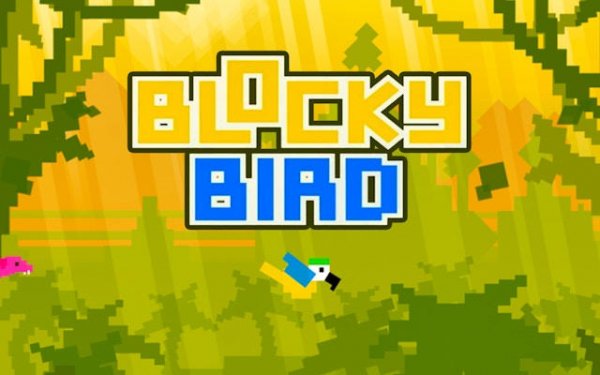
Pixel Parrot Arcade Challenge builds its entire control scheme around one input: tap or click to make the blocky parrot flap upward, then release to let it drop. That simplicity hides the real demand, which is rhythm. Courses are built from gaps in obstacles and moving enemies, so every ascent and descent has to be timed rather than spammed. Touching a barrier, an enemy, or falling off the bottom of the screen ends the run.
Coins, Risk, and Route Planning
Coins sit along the flight path, and collecting them raises your score. The catch is that the safest line through a course is rarely the richest one. Players who want a higher total have to decide when to drift toward a coin cluster and when to hold a conservative altitude. Because the parrot only moves vertically, that decision is almost entirely about timing and positioning rather than steering.
Difficulty That Keeps Climbing
As a run continues, the pace increases and the obstacle layouts become denser. Enemy patterns stay learnable, which rewards players who watch rather than react blindly. The result is a difficulty curve built on anticipation: early sections teach the rhythm, later sections punish anyone who taps on impulse. Each run uses a randomly generated course, so memorizing one layout does not carry over to the next.
Who This Suits
The blocky pixel art keeps the presentation clean and readable, which matters when obstacles arrive quickly. Family-friendly content and a single-button control make it approachable for younger players or anyone wanting a short session. The trade-off is that progress is score-based rather than level-based, so the appeal depends on enjoying self-improvement over a long-term campaign.
Comments
0 comments