
What You Actually Do
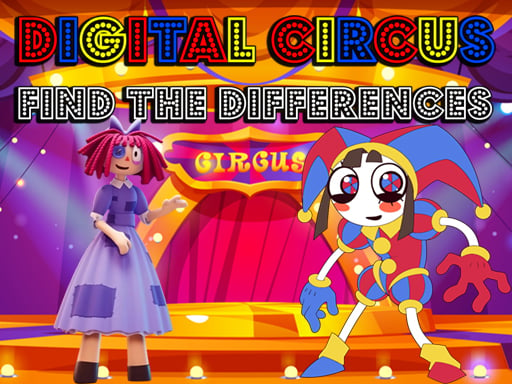
Each round places two circus pictures side by side. They look the same at first, but a set number of details differ. Your job is to click or tap each difference. A correct hit marks that spot; the round ends when every difference is found and the next scene unlocks. The changes are small by design: a missing item, a color that shifts, or an object that has moved slightly. Nothing else in the scene tells you where to look, so the game rewards patience over speed.
Reading a Circus Scene
The artwork leans on tents, performers, and playful decorations, which gives each puzzle a lot of visual texture to compare. That density matters: busy areas with stripes, props, and repeated shapes are where differences hide most easily. Scanning the same region in both images, rather than jumping around, is the habit the game quietly encourages. [IMG_0]
Hints and Rising Difficulty
A hint feature is available when a difference refuses to surface. Later puzzles tend to use more subtle or more numerous changes, so the challenge grows without changing the rules. Because the controls are limited to pointing and clicking, no tutorial is needed, and beginners can start immediately.
Session Fit and Access
The game runs in a web browser with no download or installation, and it is free to play. Puzzles are self-contained, so you can stop mid-scene and return without losing progress. That structure suits short breaks, family play, or solo relaxation, and the lighthearted circus setting keeps the tone calm rather than competitive.

Comments
0 comments