
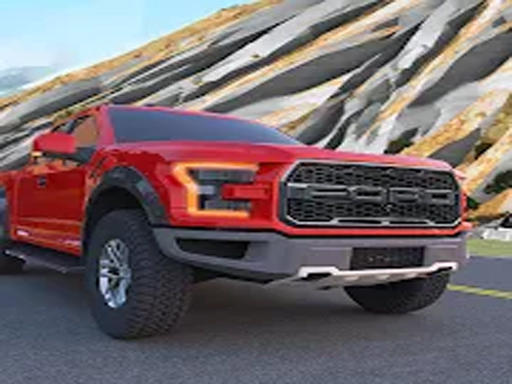
Core Parking Mechanic
Parking Precision Arcade asks one thing of the player: move a vehicle into a marked spot without hitting anything. Arrow keys or on-screen buttons handle steering, acceleration, and reversing. Every level sets a time limit and a specific target space, so the challenge is not just reaching the spot but doing it cleanly and before the clock runs out. Realistic car physics shape how the vehicle turns and brakes, which means the same input can produce different results depending on speed and angle.
Scenario Variety and Difficulty
Scenarios start in simple lots and then shift to more challenging urban spaces. That progression changes what the player has to manage: tighter gaps, less room to correct a bad angle, and obstacles that punish a rushed approach. Because each level is a new layout, the game rewards reading the space before moving rather than memorizing a single route. New cars and locations unlock as players progress, giving the practice loop a visible payoff.
Controls and Accessibility
The control scheme is deliberately narrow. Left and right steer, while accelerate and reverse handle forward and backward motion. Visual guides and hints appear in early levels to explain the basics, which keeps the game approachable for kids and adults who have never tried a parking sim. The game runs online for free, so unlimited practice costs nothing. There is no inappropriate content, and the family-friendly design makes it a reasonable pick for casual sessions.
Improving Your Parking Precision
Success depends on understanding the vehicle's turning radius and braking distance. A slow approach leaves room to adjust; a fast one usually ends in a collision. Using the early hints teaches the relationship between steering input and vehicle position. Regular practice builds both speed and accuracy, and avoiding obstacles earns more stars, which in turn unlocks additional content. Patience and careful steering matter more than raw speed.



Comments
0 comments